
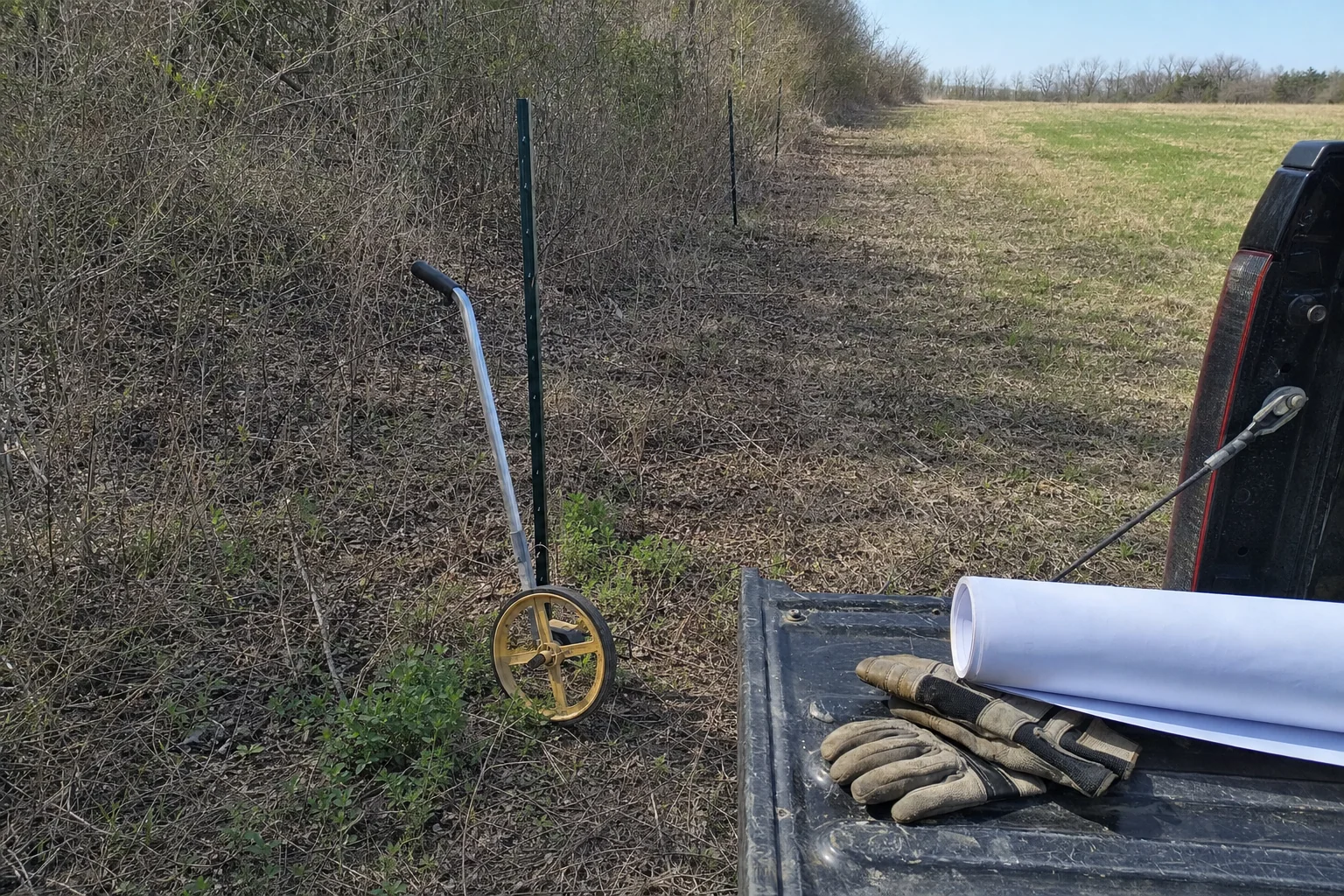
These are the things that change the estimate.
The area actually being treated
Total tract size and clearing area are different. For corridors, use length and width; for pads, include dimensions and required elevations.
What is growing there
Density, trunk size, vines, root work and trees to retain affect the method and machine time.
How equipment gets in
Transport, gates, turns, crossings, soft ground and staging room all belong in the quote.
What happens to the material
Mulch left on site, grinding, pile handling, loading, trucking and disposal are distinct work items.
The finish and next phase
An open understory and a construction footprint require different treatment. Roots, backfill, grading, testing and stabilization must be specified.
Day rate, acre rate or a project total?
Any of these can be a pricing basis. A day rate needs to explain the machine, working time and mobilization. An acre rate needs a defined treatment. A project total needs clear limits and a process for changes.
The right comparison is the included scope and the handover condition. A low number that leaves a root or hauling problem for the next trade may be a different offer altogether.
We price the job after looking at the ground.
Send us the location, work area and photos of the growth and entrance. We’ll work through the clearing, root work, material handling and finish with you. If the ground needs a closer look, we’ll say so before settling the scope.
Before you compare quotes
Is mobilization included?
Check where transport starts, which equipment is included, any minimum work period and the cost of return trips or phased work.
Is the finish the same?
Compare roots, stump height or depth, mulch, grading, holes, cleanup and material destination. “Cleared” by itself is too broad.
What if something hidden is found?
Agree on how old wire, buried debris, rock or unexpected conditions will be documented and how changes will be authorized before extra work proceeds.